Tips for Driving in Low Visibility Weather Conditions
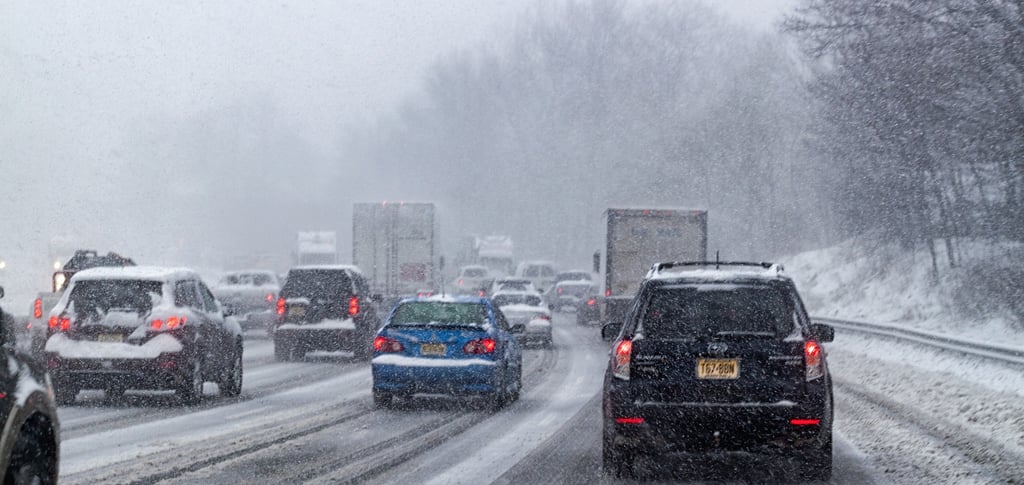
Driving in fall and winter presents unique challenges, particularly when it comes to reduced visibility. Fog, heavy rain, snow, and shorter daylight hours can create hazardous conditions that heighten the risk of accidents. It’s crucial to practice safe driving in low visibility weather, and understanding the right techniques can help you steer clear of dangerous situations. Whether you’re dealing with a dense foggy morning or traversing snowy, poorly lit roads, here are some tips to keep you safe and ready while driving.
10/2/20242 min read
Stay Alert to Road Markings and Signs
When visibility is reduced, it's crucial to rely on road markings and signs for safe navigation. Lane markings, edge lines, and reflective signs assist in keeping you centered in your lane and making turns safely. In very low visibility, use the right edge of the road or the pavement markings for direction. Be cautious about depending solely on the taillights of the vehicle in front of you, as this can lead to a false sense of security.
Utilize Your Defroster and Wipers Effectively
Visibility isn’t solely determined by external conditions; the inside of your windshield is just as important. Use your defroster to prevent fog and condensation from clouding your view. In colder weather, ice can form on your windshield quickly, so be sure to use your wipers and windshield fluid frequently to keep your view clear. Keeping your windshield clean inside and out can significantly enhance your visibility on the road.
Reduce Your Speed and Increase Your Following Distance
One of the key factors to consider when driving in low visibility is adjusting your speed. Limited visibility reduces your reaction time, making it more challenging to stop or steer if something suddenly appears in your path. Slowing down gives you better control over your vehicle and allows you to respond effectively to unexpected situations.
It’s equally important to increase the distance between your vehicle and the one in front of you. In low visibility, judging the speed of other vehicles can be difficult, and they may stop suddenly. By keeping a greater distance, you provide yourself with more time to react if the vehicle ahead makes an abrupt stop.
Steer Clear of Abrupt Movements
In low visibility conditions, sudden actions like sharp braking or quick turns can create hazardous situations. Since your sight distance is limited, it's important to make slow and deliberate adjustments with your steering, braking, and acceleration. Gradual movements improve tire traction, particularly in slippery winter conditions, and help other drivers anticipate your maneuvers.
Avoid Using Cruise Control
In low visibility conditions, it’s crucial to maintain complete control of your vehicle at all times. While cruise control can be convenient in normal circumstances, it can pose risks when visibility is diminished. You need to be able to adjust your speed swiftly, and relying on cruise control can hinder your reaction time in emergencies.
Need dependable towing or roadside assistance in Edmonton,Sherwood Park Area ? Contact Always Roadside at 970-431-2723 for prompt, professional service!
ALWAYS ROADSIDE
Professional towing and roadside assistance at your service.
Support
+1 (780)278-0638
© ALWAYS ROADSIDE 2026. All rights reserved.